
Master Athlete Recovery with Effective Athlete Rehabilitation Strategies
Recovering well after intense training or competition is just as important as the workout itself. I’ve learned that mastering athlete recovery with effective athlete rehabilitation strategies can make a huge difference in performance, injury prevention, and overall well-being. Whether you’re pushing your limits or coming back from an injury, knowing how to recover smartly helps you stay on track and feel your best.
Why Athlete Rehabilitation Strategies Matter
When I first started training seriously, I underestimated recovery. I thought rest was just about taking a break. But recovery is an active process. It involves repairing muscles, restoring energy, and preparing the body for the next challenge. Without proper rehabilitation strategies, fatigue builds up, injuries linger, and progress stalls.
Athlete rehabilitation strategies focus on helping the body heal and adapt. They include physical therapies, nutrition, rest, and mental care. These strategies reduce soreness, improve mobility, and boost your resilience. For example, after a tough workout, targeted stretching and foam rolling can ease muscle tightness and speed up healing.
By prioritizing recovery, I noticed fewer injuries and better performance. It’s not just about working hard but also about working smart. Recovery is the secret weapon that keeps you consistent and strong.

Key Components of Effective Athlete Rehabilitation Strategies
To master recovery, I focus on several key components that work together:
1. Active Recovery
Active recovery means moving gently instead of complete rest. Light activities like walking, swimming, or cycling increase blood flow. This helps flush out waste products from muscles and delivers nutrients needed for repair. I usually do a 20-minute easy bike ride the day after a hard session. It feels good and speeds up recovery.
2. Proper Nutrition and Hydration
Fueling your body right is essential. After exercise, muscles need protein to rebuild and carbohydrates to restore energy. Drinking plenty of water helps prevent dehydration, which can worsen fatigue and delay healing. I make sure to eat a balanced meal within an hour after training, including lean protein, whole grains, and colorful veggies.
3. Quality Sleep
Sleep is when the body does most of its repair work. Growth hormone is released, tissues regenerate, and the brain resets. I aim for 7-9 hours of uninterrupted sleep every night. Creating a calm bedtime routine and avoiding screens before bed helps me fall asleep faster and wake up refreshed.
4. Stretching and Mobility Work
Stretching improves flexibility and reduces muscle tightness. Mobility exercises keep joints healthy and prevent stiffness. I spend 10-15 minutes daily on dynamic stretches and foam rolling. This routine keeps me agile and lowers the risk of strains.
5. Mental Recovery
Stress affects physical recovery. Taking time to relax, meditate, or practice deep breathing helps calm the nervous system. I find that even 5 minutes of mindfulness after training improves my focus and reduces tension.
Tools and Techniques I Use for Recovery
Over time, I’ve tried many recovery tools and techniques. Here are some that have made a real difference:
Foam Rolling: This self-myofascial release technique breaks up muscle knots and improves circulation. I roll my calves, quads, and back after workouts.
Cold Therapy: Ice baths or cold showers reduce inflammation and muscle soreness. I use cold showers after intense sessions to feel refreshed.
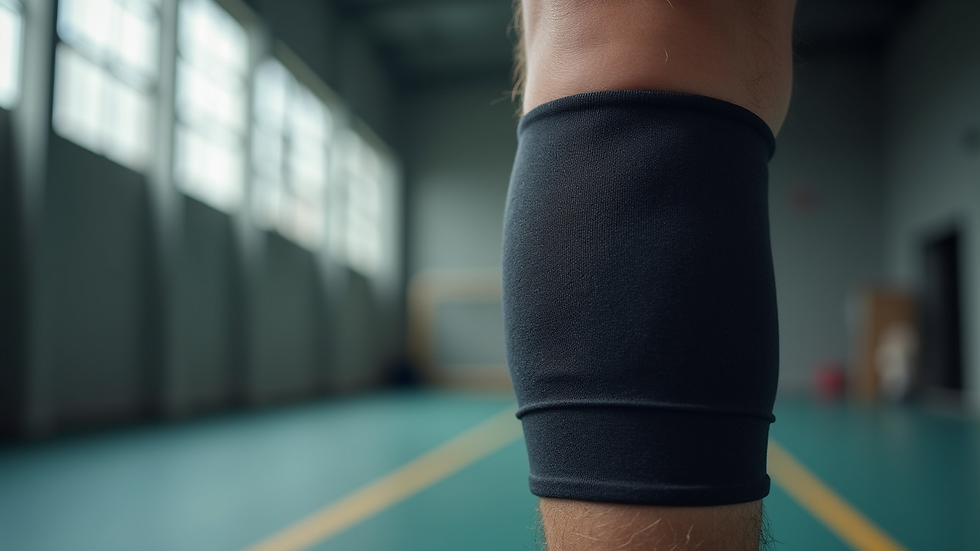
Compression Gear: Wearing compression socks or sleeves helps reduce swelling and supports blood flow.
Massage: Whether professional or self-massage with a ball, this helps relax tight muscles and speeds healing.
Contrast Baths: Alternating hot and cold water baths stimulate circulation and reduce fatigue.
Each of these methods targets different aspects of recovery. Combining them based on how my body feels keeps me balanced and ready to perform.
How to Build Your Personalized Recovery Plan
Recovery is not one-size-fits-all. I recommend creating a plan that fits your training schedule, goals, and body’s needs. Here’s how I approach it:
Assess Your Training Load: Track how hard and how often you train. More intense or frequent sessions need more recovery time.
Listen to Your Body: Pay attention to soreness, fatigue, and mood. These signals tell you when to rest or push harder.
Mix Recovery Methods: Use a combination of active recovery, nutrition, sleep, and therapies. For example, after a heavy leg day, I do light cycling, foam rolling, and eat a protein-rich meal.
Schedule Rest Days: Plan at least one full rest day per week. This helps prevent burnout and injuries.
Adjust as Needed: Recovery needs change with your training phase. During competition or heavy training blocks, I increase recovery efforts.
By tailoring your recovery plan, you’ll maximize gains and reduce setbacks.
Staying Consistent with Recovery Habits
Consistency is key. I keep recovery simple and part of my daily routine. Here are some tips that help me stay on track:
Set reminders for stretching and hydration.
Prepare post-workout meals in advance.
Create a relaxing bedtime environment.
Use recovery tools regularly, not just when sore.
Track progress and adjust based on results.
Remember, recovery is an investment in your future performance. The more consistent you are, the better your body responds.
If you want to dive deeper into effective athlete recovery methods, this resource offers expert advice and practical tips to enhance your routine.
Embrace Recovery as Part of Your Athletic Journey
Mastering athlete recovery with effective athlete rehabilitation strategies has transformed how I train and perform. Recovery is not a break from progress - it is progress. By caring for your body with smart recovery techniques, you build strength, prevent injuries, and enjoy your sport longer.
Start small, be patient, and listen to your body. Recovery is a journey, and every step counts. You’ll feel stronger, faster, and more energized. Let recovery be your secret weapon to reach new heights!
Thank you for reading! I hope these insights inspire you to prioritize recovery and unlock your full potential. Keep moving forward and take care of your amazing body.


Comments