
Maximize Performance with Proven Athlete Recovery Strategies
Recovering well is just as important as training hard. Without proper recovery, your body cannot perform at its best. I’ve learned that using proven athlete recovery strategies can make a huge difference in how quickly you bounce back and how strong you feel during your next workout or competition. Let’s explore some of the best ways to maximize your performance through effective recovery.
Why Athlete Recovery Strategies Matter
When you push your body during training, tiny muscle fibers get damaged. This is normal and necessary for growth. But if you don’t give your body time and the right tools to repair itself, you risk injury, fatigue, and burnout. Recovery strategies help your muscles rebuild stronger, reduce soreness, and restore energy.
Think of recovery as the secret ingredient to long-term success. It’s not just about resting; it’s about actively helping your body heal and prepare for the next challenge. I’ve found that athletes who prioritize recovery often see better results and fewer setbacks.
Key Athlete Recovery Strategies to Implement
There are many ways to recover, but some methods stand out because they are backed by science and experience. Here are some of the most effective athlete recovery strategies you can start using today:
1. Prioritize Quality Sleep
Sleep is the ultimate recovery tool. During deep sleep, your body releases growth hormone, which helps repair muscles and tissues. Aim for 7-9 hours of uninterrupted sleep each night. Create a bedtime routine that helps you wind down, such as turning off screens an hour before bed and keeping your room cool and dark.
2. Hydrate and Nourish Your Body
Water is essential for flushing out toxins and delivering nutrients to your muscles. Drink plenty of fluids throughout the day, especially after workouts. Pair hydration with balanced meals rich in protein, healthy fats, and carbohydrates. Protein supports muscle repair, while carbs replenish glycogen stores.
3. Use Active Recovery Techniques
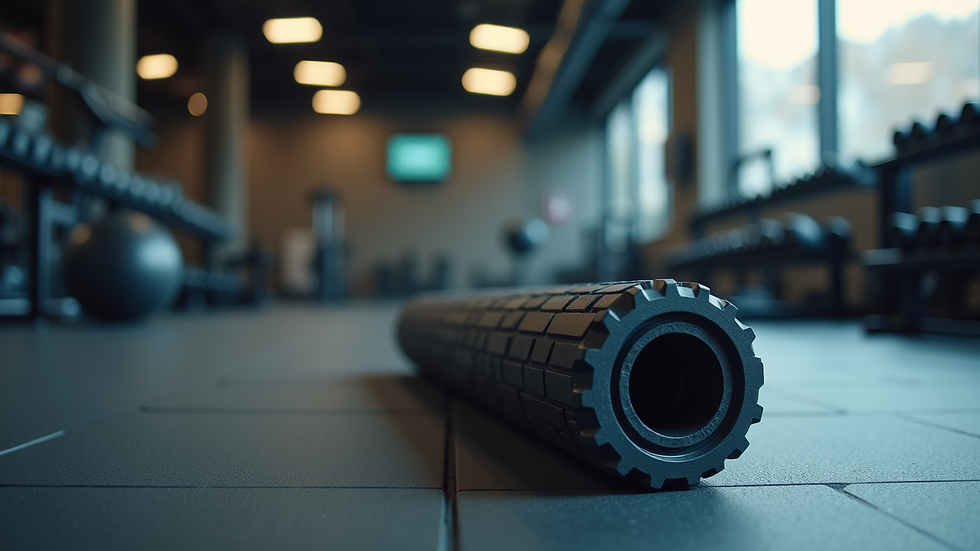
Active recovery means moving your body gently on rest days. Activities like walking, swimming, or yoga increase blood flow, which helps clear out waste products from muscles. This can reduce stiffness and speed up healing. I like to include light stretching and foam rolling to keep muscles flexible and relaxed.
4. Incorporate Cold and Heat Therapy
Alternating between cold and heat can reduce inflammation and improve circulation. Ice baths or cold packs help numb soreness and decrease swelling. Heat therapy, like warm baths or heating pads, relaxes tight muscles and promotes blood flow. Try a contrast shower by switching between hot and cold water for a few minutes.
5. Manage Stress and Mental Recovery
Physical recovery is important, but mental recovery is just as crucial. Stress can slow down healing and affect performance. Practice mindfulness, meditation, or deep breathing exercises to calm your mind. Taking time to relax and disconnect from training pressures helps you recharge mentally.
How to Build a Recovery Routine That Works
Consistency is key when it comes to recovery. I recommend creating a routine that fits your schedule and training demands. Here’s a simple plan to get started:
Daily: Focus on hydration, nutrition, and sleep.
Post-Workout: Use active recovery like light stretching or walking.
Weekly: Include cold and heat therapy sessions.
Ongoing: Practice stress management techniques.
Track how your body feels and adjust your routine as needed. Recovery is personal, so listen to your body’s signals. If you feel unusually tired or sore, it might be time to increase rest or try new recovery methods.
The Role of Technology in Recovery
Technology can support your recovery journey. Wearable devices track sleep quality, heart rate variability, and activity levels. These insights help you understand when your body needs rest or when you can push harder.
Apps and online platforms offer guided recovery workouts, meditation sessions, and nutrition advice. Using these tools can keep you motivated and informed. Remember, technology is a helper, but your body’s feedback is the best guide.

Unlock Your Potential with Effective Athlete Recovery Methods
To truly maximize your performance, you need to embrace recovery as part of your training. I encourage you to explore effective athlete recovery methods that fit your lifestyle and goals. Recovery is not a sign of weakness but a smart strategy to become stronger and faster.
By investing time and effort into recovery, you’ll notice improvements in endurance, strength, and overall well-being. Remember, every champion knows that rest and recovery are just as important as the grind.
Keep Moving Forward with Smart Recovery
Recovery is a journey, not a one-time fix. Keep experimenting with different strategies and stay patient. Your body will thank you with better performance and fewer injuries. Whether you’re training for a competition or just staying active, these athlete recovery strategies will help you reach your full potential.
Stay consistent, stay motivated, and most importantly, listen to your body. Recovery is your secret weapon to lasting success!


Comments