
Maximize Youth Sports Performance with Effective Workouts
Youth sports are not just about fun and games; they are a vital part of a child's development. Engaging in sports helps children build physical skills, develop teamwork, and cultivate a sense of discipline. However, to truly maximize performance, effective workouts are essential. This blog post will explore various strategies and workouts that can enhance youth sports performance, ensuring young athletes reach their full potential.
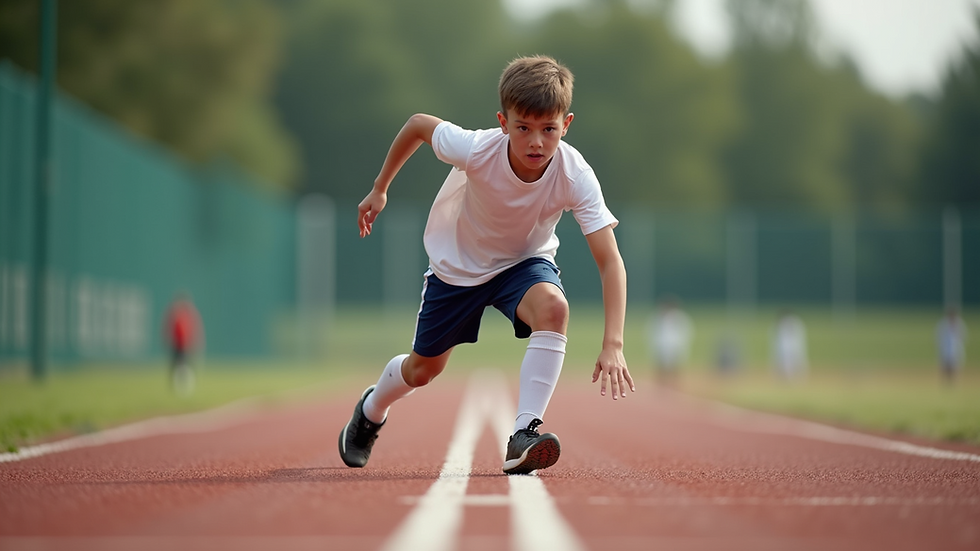
Understanding Youth Sports Performance
The Importance of Physical Fitness
Physical fitness is the foundation of sports performance. Young athletes need to develop strength, endurance, flexibility, and agility. Each of these components plays a crucial role in how well they perform in their chosen sport.
Strength: Essential for power and injury prevention.
Endurance: Important for sustaining energy throughout games or matches.
Flexibility: Helps in preventing injuries and improving overall movement.
Agility: Critical for quick changes in direction and speed.
Psychological Factors
Mental toughness is equally important in youth sports. Young athletes must learn to handle pressure, stay focused, and maintain a positive attitude. Incorporating mental training into workouts can help build resilience and confidence.
Effective Workouts for Youth Athletes
Strength Training
Strength training is often misunderstood in youth sports. Many parents worry that lifting weights will stunt growth, but when done correctly, it can be incredibly beneficial. Here are some effective strength training exercises for young athletes:
Bodyweight Exercises: Push-ups, squats, and lunges are excellent for building strength without the need for weights.
Resistance Bands: These can be used for various exercises to improve strength and flexibility.
Medicine Balls: Great for developing core strength and power.
Endurance Training
Endurance is crucial for athletes participating in sports that require prolonged activity. Here are some ways to build endurance:
Interval Training: Short bursts of high-intensity exercise followed by rest periods can improve cardiovascular fitness.
Long-Distance Running: Gradually increasing distance can help build stamina.
Circuit Training: Combining different exercises in a circuit format keeps workouts engaging while building endurance.
Flexibility and Mobility
Flexibility is often overlooked but is essential for performance and injury prevention. Incorporating stretching and mobility exercises into workouts can enhance flexibility:
Dynamic Stretching: Incorporate movements like leg swings and arm circles before workouts.
Static Stretching: Focus on major muscle groups after workouts to improve flexibility.
Yoga: This can help with flexibility, balance, and mental focus.
Agility Drills
Agility is vital for many sports, especially those that require quick movements. Here are some effective agility drills:
Cone Drills: Set up cones in various patterns and practice quick changes in direction.
Ladder Drills: Use an agility ladder to improve foot speed and coordination.
Shuttle Runs: These help develop speed and agility by requiring quick sprints back and forth.
Nutrition for Young Athletes
Fueling Performance
Nutrition plays a critical role in maximizing sports performance. Young athletes need to fuel their bodies with the right foods to support their training and recovery. Here are some key nutritional tips:
Balanced Diet: Ensure a mix of carbohydrates, proteins, and healthy fats.
Hydration: Encourage drinking water before, during, and after workouts.
Pre- and Post-Workout Snacks: Provide snacks that are rich in carbohydrates and protein, such as bananas with peanut butter or yogurt with fruit.
Supplements
While a balanced diet should provide most nutrients, some young athletes may benefit from supplements. Always consult with a healthcare professional before introducing any supplements.
The Role of Coaching
Effective Coaching Strategies
Coaches play a vital role in developing young athletes. Here are some effective coaching strategies:
Positive Reinforcement: Encourage athletes with positive feedback to build confidence.
Goal Setting: Help athletes set realistic and achievable goals to keep them motivated.
Skill Development: Focus on teaching fundamental skills before moving on to advanced techniques.
Creating a Supportive Environment
A supportive environment is crucial for young athletes. Coaches should foster teamwork, respect, and sportsmanship. This not only enhances performance but also contributes to personal growth.
Monitoring Progress
Keeping Track of Performance
Monitoring progress is essential for young athletes to understand their development. Here are some ways to track performance:
Fitness Assessments: Regularly assess strength, endurance, and agility to measure improvement.
Journals: Encourage athletes to keep a journal of their workouts, nutrition, and feelings about their performance.
Feedback Sessions: Regularly meet with athletes to discuss their progress and areas for improvement.
Conclusion
Maximizing youth sports performance requires a comprehensive approach that includes effective workouts, proper nutrition, and supportive coaching. By focusing on strength, endurance, flexibility, and agility, young athletes can improve their performance and enjoy their sports experience. Remember, the goal is not just to win but to foster a love for sports and physical activity that lasts a lifetime. Encourage young athletes to stay committed, work hard, and most importantly, have fun!


Comments