
Unlock Optimal Recovery with Proven Athlete Methods: Athlete Recovery Improvement Strategies
Recovery is just as important as training when it comes to reaching your peak performance. I’ve learned that without proper recovery, all the hard work in the gym or on the field can be wasted. Over time, I discovered several athlete recovery improvement strategies that truly make a difference. These methods help me bounce back faster, reduce injury risk, and feel stronger every day.
In this post, I’ll share practical tips and proven techniques that athletes and fitness enthusiasts can use to unlock optimal recovery. Whether you’re training for a competition or just want to improve your fitness, these strategies will help you recover smarter and perform better.
Why Recovery Matters for Athletes
Recovery is the process your body uses to repair and strengthen itself after physical activity. When you train, you create small tears in your muscles and stress your nervous system. Recovery allows these tissues to heal and adapt, making you stronger and more resilient.
Skipping recovery or not doing it properly can lead to fatigue, poor performance, and even injury. I’ve seen firsthand how neglecting recovery can stall progress and cause burnout. On the other hand, prioritizing recovery helps maintain consistency and keeps motivation high.
Some key benefits of good recovery include:
Reduced muscle soreness and stiffness
Improved muscle growth and strength
Better mental focus and mood
Lower risk of injury and illness
Enhanced energy levels for training and daily life
Understanding why recovery matters is the first step. Now, let’s dive into specific athlete recovery improvement strategies that you can start using today.
Top Athlete Recovery Improvement Strategies
1. Prioritize Quality Sleep
Sleep is the ultimate recovery tool. During deep sleep, your body releases growth hormone, which helps repair muscles and tissues. I make sure to get 7-9 hours of quality sleep every night. Here are some tips to improve your sleep:
Stick to a consistent sleep schedule, even on weekends
Create a dark, cool, and quiet sleeping environment
Avoid screens and bright lights at least 30 minutes before bed
Limit caffeine and heavy meals in the evening
If you struggle with sleep, try relaxation techniques like deep breathing or meditation before bed. Good sleep sets the foundation for all other recovery methods.
2. Use Active Recovery Days
Active recovery means doing low-intensity exercise on rest days to promote blood flow and reduce muscle stiffness. Instead of complete rest, I often go for a light walk, swim, or gentle yoga session. This helps flush out metabolic waste and brings fresh oxygen to tired muscles.
Some effective active recovery activities include:
Walking or easy cycling for 20-30 minutes
Swimming or water aerobics
Stretching or mobility drills
Foam rolling or self-myofascial release
Active recovery keeps your body moving without adding stress, speeding up the healing process.

3. Fuel Your Body with Proper Nutrition
What you eat plays a huge role in recovery. After intense training, your muscles need protein to rebuild and carbohydrates to replenish energy stores. I focus on balanced meals with lean protein, whole grains, healthy fats, and plenty of fruits and vegetables.
Here are some nutrition tips for recovery:
Eat a protein-rich snack or meal within 30-60 minutes after training
Stay hydrated throughout the day with water and electrolyte drinks
Include anti-inflammatory foods like berries, nuts, and leafy greens
Avoid excessive alcohol and processed foods that can slow recovery
Proper nutrition supports muscle repair, reduces inflammation, and restores energy.
4. Incorporate Stretching and Mobility Work
Tight muscles can limit performance and increase injury risk. I make stretching and mobility exercises a regular part of my routine. This helps maintain flexibility, improve range of motion, and reduce muscle tension.
Try these simple stretches after workouts or on rest days:
Hamstring and quad stretches
Hip openers and glute stretches
Shoulder and chest stretches
Dynamic mobility drills like leg swings and arm circles
Consistency is key. Even 10 minutes a day can make a big difference in how your body feels.
5. Explore Recovery Tools and Techniques
Many athletes use tools and techniques to speed up recovery. Some popular options include:
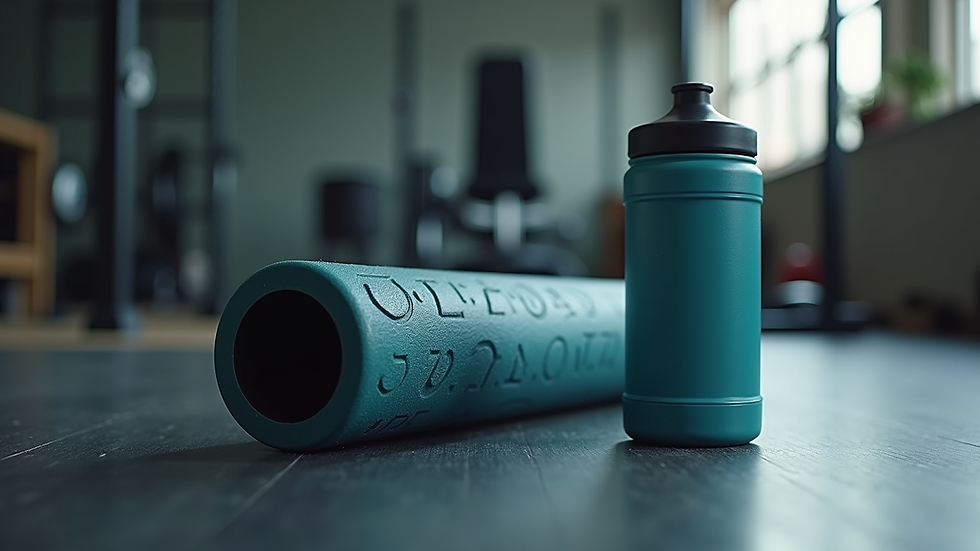
Foam rolling: Helps release muscle knots and improve blood flow
Cold therapy: Ice baths or cold packs reduce inflammation and soreness
Compression garments: Improve circulation and reduce swelling
Massage therapy: Relieves muscle tightness and promotes relaxation
I’ve found that combining these tools with other recovery strategies enhances their benefits. For example, foam rolling before stretching can improve flexibility.
For those interested in learning more about effective athlete recovery methods, exploring these tools can be a great next step.
How to Build a Recovery Routine That Works
Recovery isn’t one-size-fits-all. It’s important to listen to your body and adjust your routine based on your training intensity, goals, and how you feel. Here’s a simple way to build your own recovery plan:
Assess your current recovery habits: What are you already doing? What could improve?
Set recovery goals: Do you want to reduce soreness, improve sleep, or increase flexibility?
Choose 2-3 recovery strategies to focus on: Start small to build consistency.
Track your progress: Keep a journal or use an app to note how you feel after workouts and recovery sessions.
Adjust as needed: If something isn’t working, try a different approach or add new techniques.
Remember, recovery is a process. It takes time and patience, but the results are worth it.
Staying Motivated to Recover Properly
Sometimes, it’s tempting to skip recovery and jump straight into the next workout. I get it - the drive to improve can be strong! But I remind myself that recovery is part of the training. Without it, progress stalls.
Here are some tips to stay motivated:
Schedule recovery sessions like workouts on your calendar
Find a recovery buddy to keep each other accountable
Celebrate small wins like better sleep or less soreness
Educate yourself on the science behind recovery to stay inspired
By making recovery a priority, you’ll feel stronger, healthier, and more ready to tackle your goals.
Unlocking optimal recovery is a game-changer for anyone serious about fitness and performance. Using proven athlete recovery improvement strategies helps me train smarter, avoid injury, and enjoy the process more. I encourage you to try these methods and see how they transform your recovery and results!
For more expert advice and personalized coaching, check out All Star Performance & Fitness. They offer strength and conditioning programs designed to help you reach your full potential.
Happy recovering!


Comments